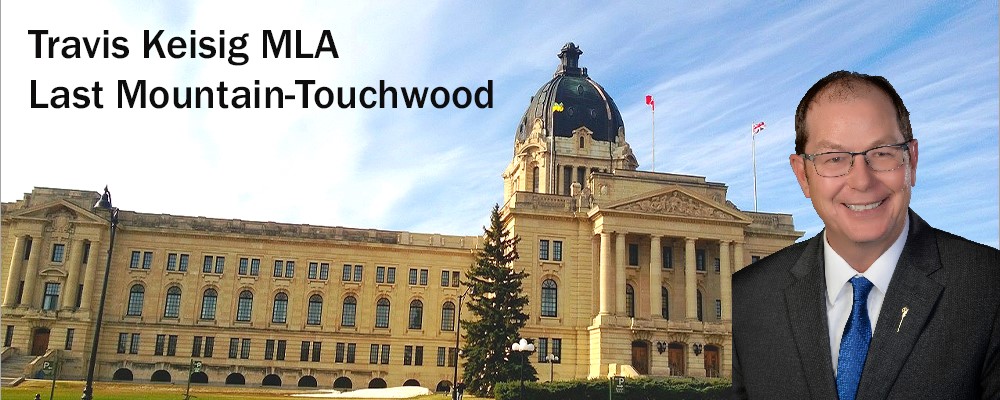
75-Minuite Debate (12 March 2026)
To view this section on video, click here and start play at 11:19:45 AM.
Patients-First Health Care Plan
The Assembly was debating the following motion moved by Kevin Weedmark (Sask Party - Moosomin-Montmartre):
That this Assembly commends the government’s comprehensive patient-first initiative to improve access to care for all Saskatchewan residents; and further,
That this Assembly supports expanding access to virtual care, increasing the number of urgent care centres, increasing the scope of practice for providers, and continuing to recruit, train, and increase the number of doctors, nurses, and nurse practitioners in this province.
Mr. Keisig: — Well thank you very much, Mr. Deputy Speaker. Always an honour to be on my feet and take part in such a very important debate. Health care truly affects us all, whether we are requiring access to primary care for ourselves or a family member, visiting a loved one in a hospital room, or delivering necessities to a care home. Health care plays a role in each and every stage of our life and each and every community across Saskatchewan.
Health care is the largest part of our budget, Mr. Deputy Speaker. Saskatchewan residents rely on this government for quality health care that is accessible, dependable when we need it most. Our government has taken to the doorsteps of residents and met with health care professionals. We’ve listened to those who matter most — Saskatchewan people. We recognize the need to enhance access to health care.
Over the years we have made efforts to improve both health care services and the workforce. We introduced the health human resources action plan, which aims to stabilize the health workforce by providing incentives, increasing training opportunities, and improving working conditions for health care workers throughout the entire province.
Just this week, Mr. Deputy Speaker, the government announced the patients-first health care plan. This focuses on several priorities, improving access and ensuring patients can receive surgical care in a timely manner so Saskatchewan residents can receive treatment closer to home.
This plan is building on progress that has been made in health care. It’s important to find what works and what doesn’t. This plan ensures that we are improving what works and making changes in areas that ensure residents get the best possible care, while strengthening the overall health care system in our province.
Mr. Deputy Speaker, it’s essential to have a government that acknowledges our imperfections. We understand that there are still individuals in Saskatchewan that are having challenges to the care they receive when they need it. There’s much work to be done, and this government is dedicated to ensuring that patients in Saskatchewan come first. And above all else, we are continuing to improve services and expanding access to care.
How are we doing this, Mr. Deputy Speaker? Well let’s start with access to care. We are doing this through measures such as additional urgent care centres, nurse practitioner clinics, and virtual care that helps connect patients with providers sooner.
Nurse practitioners play a critical role in health care, Mr. Deputy Speaker, and we should be utilizing their skills and expertise more. They have the ability to assess, diagnose, treat, prescribe, and refer patients. They do an incredible job. And I know many people in Last Mountain-Touchwood who are already benefiting from their services and receiving care closer to home.
This government is working to increase the training capacity of family physicians, and in the meantime nurse practitioners are available to Saskatchewan residents for access to primary care. Launching the largest publicly funded nurse-practitioner-led primary care expansion in Saskatchewan’s history is something to truly celebrate, Mr. Deputy Speaker.
Allowing nurse practitioners to hire RNs [registered nurse] or LPNs [licensed practical nurse] and essentially build their own teams to care for residents in a pilot program is an excellent initiative, Mr. Deputy Speaker. This approach will help reduce dependence on urgent care centres, emergency rooms, allowing patients to schedule appointments directly with the nurse practitioner for non-emergency care and ongoing health concerns.
That’s going to lead me into my next topic, Mr. Deputy Speaker — virtual care. This targets patients who do not already have a family doctor. Again, implementing virtual primary care for residents without a doctor will prevent unnecessary travel and alleviate pressure on urgent care and/or emergency rooms. I have personally heard that being able to meet with physicians would be a valuable addition to reducing health care pressures. This would greatly benefit seniors living in rural Saskatchewan who may not want to travel to large urban centres. It also assists parents who wish to avoid loading their children into a vehicle for an hour or two drive to the nearest health centre for concerns that could be addressed through a virtual consultation with a provider.
We need to meet people where they are, Mr. Deputy Speaker. Having the option to access virtual care accomplishes this goal by making health care more accessible for all residents. We have over 1.26 million people in the province, Mr. Deputy Speaker, and as the government it is our responsibility to deliver this plan. And we’re doing so by putting patients first.
We currently have seven urgent care centres operational or in the planning stages. These include the one in Regina. In Saskatoon it’s nearing 70 per cent completion. Additionally we are planning centres for Prince Albert, Moose Jaw, North Battleford, and a second location in both Saskatoon and Regina. This is truly part of our commitment to a more accessible and reliable health care system, Mr. Deputy Speaker. Delivering the right care, the right place, and at the right time for every Saskatchewan resident remains a key priority for this government.
Now the question I know many are wondering — I’ve been personally asked this many times — how is the government plan to ensure we have the staff to run these facilities, Mr. Deputy Speaker? Well here’s the plan. With the help of the Saskatchewan Healthcare Recruitment Agency, the SHA, and training expansions, more graduates are staying in Saskatchewan and more providers are choosing Saskatchewan.
While our universities and colleges focus on training the next generation of health care workers, the government is expanding training seats, increasing residency opportunities, and enhancing rural training. These efforts will ensure that our health centres are adequately staffed. Since April 2023 we’ve had over 2,700 nurses, graduates, hired in this very province, both in-province and out-of-province hires. As much as the opposition likes to lead residents in a direction that is sometimes not correct, students are staying in Saskatchewan and want to be in Saskatchewan, Mr. Deputy Speaker.
This government also, Mr. Deputy Speaker, will continue to develop and implement concrete plans for recruiting more health care workers. As a rural MLA [Member of the Legislative Assembly], Mr. Deputy Speaker, I’ve always believed in the importance of encouraging local young people in rural areas to pursue a health care career. I encourage them to go to school, come back home after completing their studies, and work near their family, work near their friends, work near their community that they know and have grown up all their life.
People are naturally drawn to community, Mr. Deputy Speaker. And we enjoy being close to our friends and family which can also be seen as our safety net. Consider individuals who grew up in Balcarres, Fort Qu’Appelle, or even Dysart. If they pursue a career as an RN or an LPN, what are the chances that they would feel more inclined to return to their home community, Mr. Deputy Speaker, support the people they know and care about?
I strongly believe that individuals are more likely to seek employment at a facility that they are familiar with, especially if their friends and family work there already. I know many LPN nurses who grew up in the area and are working back in their home communities.
Well, Mr. Deputy Speaker, how do we recruit? Well we are starting by working to get high school students in the continuing care aide program in high school. They can take the courses and begin working in an entry-level position. Maybe they, you know, truly plan to become a nurse, a doctor, or a pharmacist, a lab tech, or maybe they end up making a career out of being a continuing care aide. By partnering with the Saskatchewan Distance Learning Centre and school divisions, Mr. Deputy Speaker, we can assist all students in exploring careers in health care and preparing for lifelong careers in both rural and urban centres across Saskatchewan.
By putting patients first, this plan will provide the stability that we need in our health care system and will provide a resilient workforce in health. All four key sectors are covered: expanding access to care; improving recruitment, retention, and training; modernizing care; improving safety; and improving facilities and equipment. This government is committed to putting Saskatchewan people first and protecting the future of health care for everyone in our province today and generations to come.
Mr. Deputy Speaker, I see my time’s almost up, but there’s something very critical that we have to address always when it comes to health care. We can only address the issues in health care due to the strength of a strong and growing economy. It is thanks to our Premier and his team doing the hard work: going to China getting the canola tariffs eased; working with India selling uranium, selling more lentils. That is what’s going to allow us to provide health care services to each and every Saskatchewan resident.
And that is literally my harshest complaint, Mr. Deputy Speaker, to the members opposite, is they never, ever have a vision on how to pay for anything, how to generate income and provide a strong and growing economy to the people of Saskatchewan that’ll keep our province growing forward. Thank you, Mr. Deputy Speaker.
Back to 2025/2026 Session
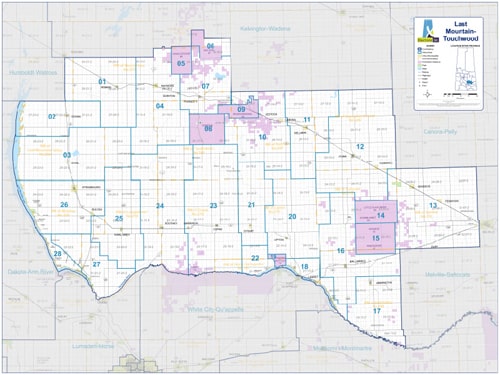
The map of constituency.
MLA Office
Constituency Assistant: Tina Knowles
PO Box 928
110 Elgin Street
Balcarres, SK
S0G 0C0
Phone: (306)-334-3444
Email: mla@traviskeisig.ca